
Pinnawala Elephant Orphanage is one of the most visited attractions in Sri Lanka, and one of the most debated. Ask about it on r/srilanka and you’ll often be told to skip it for animal-welfare reasons and spend the time elsewhere. Others defend it as a refuge for elephants that couldn’t survive in the wild. This guide sets out what is actually known, so you can decide for yourself, and then compares the best alternatives for seeing elephants in Sri Lanka.
We haven’t inspected Pinnawala ourselves. This article summarises published reporting, official information and traveller discussions, all linked in the Sources section.

The short answer
| Pinnawala | Udawalawe Elephant Transit Home | Wild elephants (Minneriya, Kaudulla, Udawalawe NP) | |
|---|---|---|---|
| What you see | A large captive herd, river bathing, feeding | Orphaned calves being fed, watched from behind a barrier | Wild herds in their natural habitat from a safari jeep |
| Can elephants return to the wild? | Generally no. Many were born in captivity | Yes. Calves are raised to be released | They are already wild |
| Main concerns | Chaining, crowds at river bathing, captive breeding, tips for photos | Very few. Visits are short and hands-off | Too many jeeps crowding the herds |
| Best for | Visitors with no time for a safari | Seeing baby elephants responsibly | The most memorable and ethical elephant experience |
| Foreign adult fee | About US$15 | Small entry fee. Check locally | Park fee plus jeep hire, e.g. about US$42 to US$44 at Udawalawe including charges |
Fees are approximate, from Hopscotch Travels’ 2026 fee guide. If you can fit in a safari, wild elephants give you a far better experience, with none of the welfare doubts.
What is Pinnawala, and why is it controversial?
Pinnawala was set up in 1975 by Sri Lanka’s Department of Wildlife Conservation to care for orphaned wild elephants. It has been run by the Department of National Zoological Gardens since 1978. A captive breeding programme began in 1982, and Wikipedia reports 71 elephants there in 2023, with 75 calves born at the facility by that year (Wikipedia). Because many of the herd were born in captivity, Pinnawala today works more like a zoo herd than an orphanage.
The main concerns
- Chaining. Staff have confirmed that adult males are chained during musth, a period of high aggression, and some females during herd disputes. Staff defend chains as safer than ropes, but chained elephants are what upsets many visitors most (Time Travel Turtle).
- The river bathing show. The herd is walked through a street of shops and restaurants to the river several times a day for crowds to watch. Some visitors and writers find this more of a spectacle than care.
- Tips for photos. Mahouts sometimes ask tourists for tips to touch or pose with elephants, even though this is officially not allowed.
- Past welfare reports. A 2010 report by the Born Free Foundation raised welfare concerns. In 2012, an environmental group challenged the handing over of elephants to private owners, and four were later returned after a court order (Wikipedia).
The case in its favour
- Elephants that are injured, disabled or orphaned get daily food, veterinary care and monitoring that they wouldn’t have in the wild.
- Ticket income pays for their food and medical care.
- Part of the herd spends time in areas away from visitors.
Even writers who defend Pinnawala recommend that visitors also see elephants in the wild (Time Travel Turtle).
Better alternative 1: Udawalawe Elephant Transit Home
If you want to see baby elephants, the Elephant Transit Home (ETH) next to Udawalawe National Park is the most responsible option. The Department of Wildlife Conservation set it up in 1995 (Wikipedia). Orphaned and injured calves are raised there and then released back into the wild once they’re strong enough. Visitors can come only at feeding times and watch from behind a barrier while the calves are fed milk through hoses. There is no touching and no riding (Audley Travel).
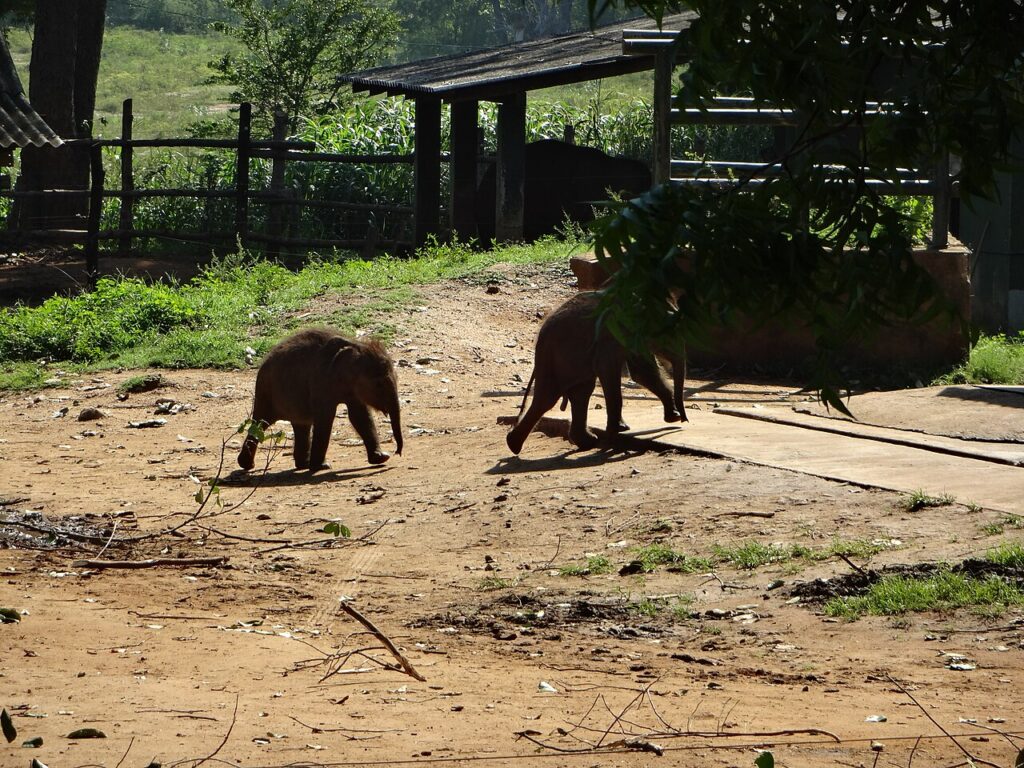

- When to go: visits are only at feeding times, several times a day. Check the current schedule locally, because the times can change.
- How long: a visit takes about 30 minutes, so it’s easy to combine with a jeep safari in Udawalawe National Park on the same day.
- Where: on the southern edge of the hill country, an easy detour on a South Coast trip.
Better alternative 2: wild elephants on safari
The Gathering at Minneriya and Kaudulla
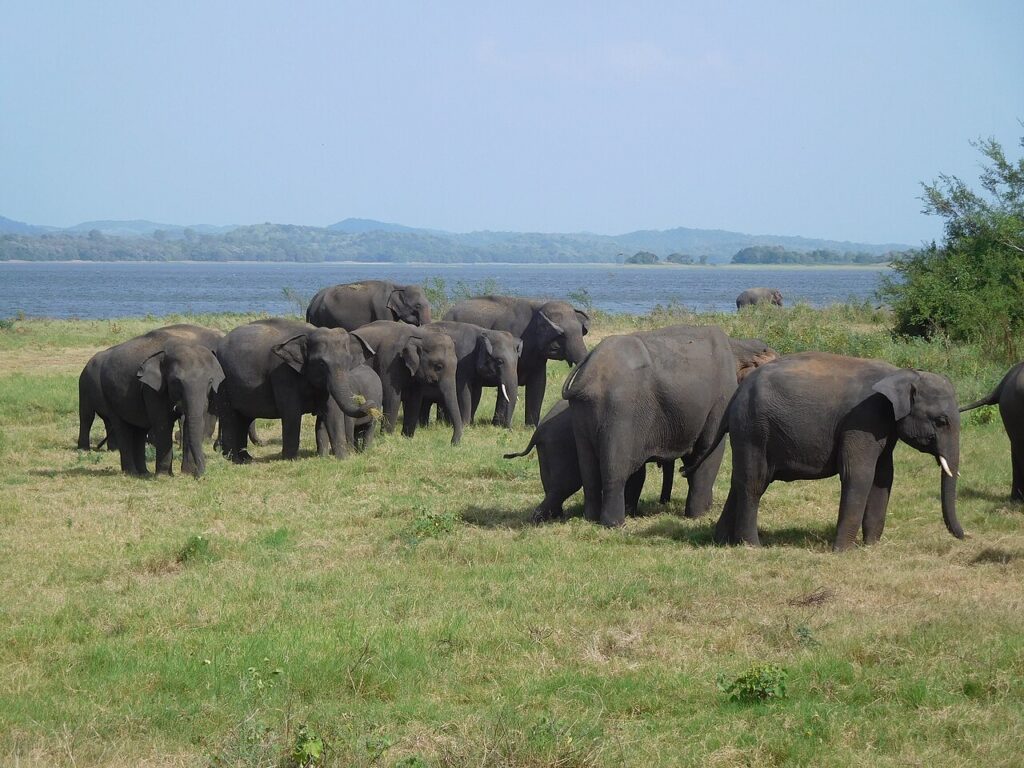
Every dry season, elephants from across the north-central jungles come to feed on the grass that grows on the exposed beds of the Minneriya and Kaudulla reservoirs. The event, known simply as “The Gathering”, starts around June and peaks in August and September. Herds of 100 to 150 elephants are common, and sometimes there are as many as 300 (The Sri Lanka Travel Blog). It’s one of the largest regular gatherings of Asian elephants anywhere in the world. Minneriya is less than an hour’s drive from Sigiriya, so it fits easily into a Cultural Triangle trip.
Udawalawe National Park
Udawalawe is known for reliable elephant sightings all year round, on open grassland where herds are easy to see. It’s the best choice if you’re travelling the South Coast, and you can combine it with a visit to the Transit Home.
How to choose a responsible safari
- Ask your driver not to block the elephants’ path or drive right up to a herd.
- Turn down jeeps that chase animals or crowd around a sighting with dozens of other vehicles.
- Keep quiet, and don’t feed the elephants or throw anything to them.
- Use a licensed park guide. They know where herds are likely to be without needing to push in.
Elephant experiences to avoid anywhere
- Elephant rides, including short rides “for photos”.
- Shows or performances.
- Places that let you bathe or touch elephants for a fee, unless they’re clearly a rescue sanctuary with no direct contact.
FAQ
Is Pinnawala Elephant Orphanage ethical?
It depends who you ask. It does care for elephants that can’t survive in the wild, but it’s also a captive breeding centre where chaining and crowd shows still happen. Many travellers and welfare groups recommend seeing wild elephants or visiting the Udawalawe Transit Home instead.
Where is the best place to see elephants in Sri Lanka?
For the biggest numbers, go to Minneriya or Kaudulla during the Gathering, roughly August to September. For year-round sightings, go to Udawalawe National Park.
Can you ride elephants in Sri Lanka?
Some places still offer rides, but we recommend avoiding them. Riding usually involves harsh training and long working hours for the elephant.
Sources
- Wikipedia: Pinnawala Elephant Orphanage (history, numbers, breeding, criticisms, Udawalawe ETH founding)
- Time Travel Turtle: addressing concerns about Pinnawala (interview with staff, updated 2026)
- Audley Travel: visiting the Elephant Transit Home
- The Sri Lanka Travel Blog: the elephant Gathering
- r/srilanka: traveller advice on skipping Pinnawala
- Hopscotch Travels: Sri Lanka entrance fees 2026