
Machu Picchu no longer works the way older guides describe. You can’t just buy a ticket and wander. Since the circuit system was introduced, every ticket is for one circuit and one route, with a fixed entry time, a one-way path and limited daily numbers. Choosing the wrong route is the most common mistake first-time visitors make, and it can’t be fixed at the gate. This guide explains the 2026 system in plain language and helps you pick the right ticket.
Information checked on 7 November 2026 against Peru’s Ministry of Culture announcements and Peruvian news reports (sources at the end). Rules at Machu Picchu change often, so always confirm on the official ticket site before you buy.
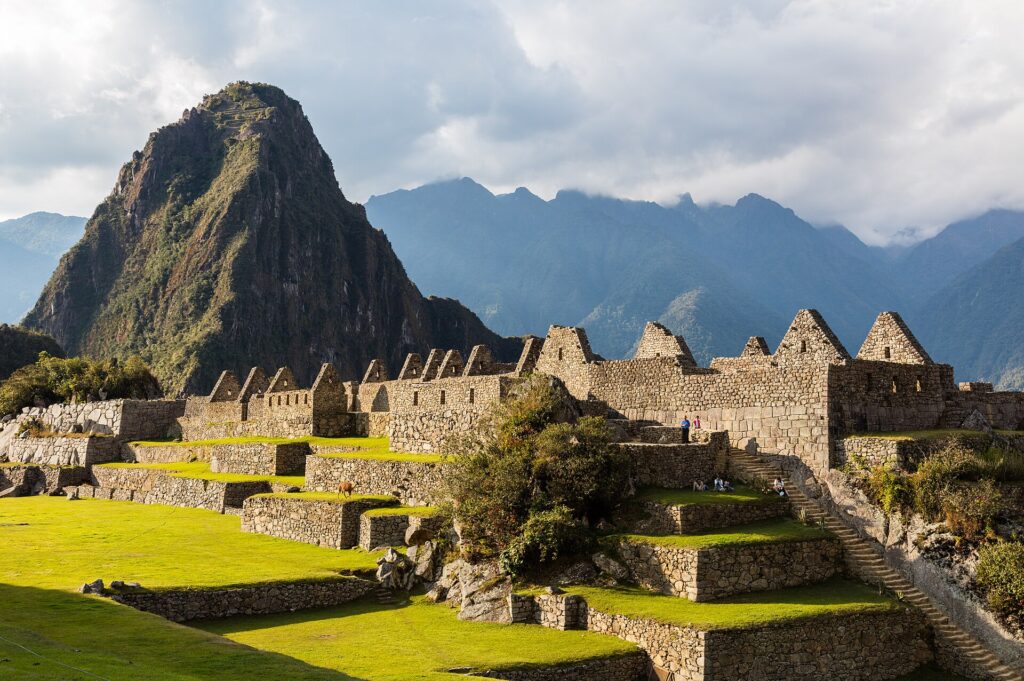

Machu Picchu 2026 at a glance
| Details | |
|---|---|
| Official ticket site | tuboleto.cultura.pe (Peru’s Ministry of Culture). Other websites are resellers |
| Circuits | 3 circuits split into 10 routes. Each ticket covers one route only |
| Daily visitor limit | 5,600 on high-demand dates, 4,500 on all other days |
| High-demand dates in 2026 | 1 January, 2 to 5 April, 19 June to 2 November, and 30 to 31 December |
| Entry | Timed entry slot. Arrive late and you may be refused (about 30 minutes’ grace is widely reported) |
| Re-entry | Not allowed once you leave |
| Bag size | Maximum 40 × 35 × 20 cm. Larger bags go into storage at the entrance |
| Nearest town | Aguas Calientes (Machu Picchu Pueblo), reached by train |
How the circuits work
The citadel is divided into three circuits, and each circuit into routes. A route is a one-way path through part of the site. Once you pass a checkpoint you can’t go back, and you can’t switch to another circuit inside the site. That is why the choice you make when you book decides what you will actually see.
| Route | What you see | Notes |
|---|---|---|
| 1-A Machu Picchu Mountain | A long climb to the mountain summit above the citadel | Mountain route, higher price |
| 1-B Upper Terraces | The classic postcard view from the upper terraces | Best for the famous photo |
| 1-C Intipunku (Sun Gate) | A walk to the Sun Gate, the original Inca Trail entrance | High season only |
| 1-D Inca Bridge | A cliffside path to the Inca Bridge | High season only |
| 2-A Classic designed route | The upper viewpoint plus the main temples and the Sacred Rock | The best all-round choice for first-timers |
| 2-B Lower Terrace | The main sectors via the lower terraces | A good alternative when 2-A is sold out |
| 3-A Huayna Picchu | The steep climb up the peak behind the citadel | Mountain route, sells out first |
| 3-B Royalty designed route | The royal sector, including the Temple of the Condor | Shortest walk, good for families |
| 3-C Great Cavern | A long trail to the Temple of the Moon | Mountain route, high season only |
| 3-D Huchuy Picchu | A short climb to a small peak beside Huayna Picchu | High season only |
Route names and their high-season status come from the 2026 tariff resolution (Infobae, November 2025).
Which circuit should you choose?
- First visit, and you want the classic experience: 2-A. You get the famous view and walk past the main temples.
- You mainly want the postcard photo: 1-B Upper Terraces. You see the classic view, but not the temples up close.
- Travelling with children, or limited mobility: 3-B Royalty, the shortest of the main routes.
- Fit and want a hike with a view: 3-A Huayna Picchu or 1-A Machu Picchu Mountain. Huayna Picchu is steeper and more exposed. The Mountain is longer but less crowded. Book these first, because they sell out weeks ahead in high season.
- Want to see both the view and the temples? Many visitors buy two tickets for different routes on the same day, or across two days. Check slot availability for both before you book.
Ticket prices in 2026
Prices depend on your nationality and the route. Under the 2026 tariff resolution, Peruvians, foreign residents of Peru and citizens of Andean Community countries pay S/ 64 for a standard circuit route and S/ 112 for a mountain route, with reduced rates for students and children aged 3 to 17. Children under 3 enter free (Andina).
International visitors from other countries pay a higher general rate. Peruvian press reports in 2026 put the foreign adult price for a standard circuit at around S/ 152 to S/ 163 (roughly US$45 to US$50) after an increase announced for May 2026 (Primicias). The exact amount is shown when you book on the official site, so treat these figures as a guide.
Resellers often charge much more than the official price, sometimes with card fees on top. Buy directly from tuboleto.cultura.pe if you can.
Rules to know before you go
- Your ticket is in your name. Bring the passport you used to book, because it is checked at the entrance.
- Arrive on time. Entry is by time slot. Turn up too late and you can be turned away without a refund.
- No re-entry. Use the toilets at the entrance before you go in, because there are none inside the citadel.
- Pack light. Bags over 40 × 35 × 20 cm must be stored. Tripods, selfie sticks, drones and food are not allowed inside (HowToPeru).
- Guides: the rules on whether a licensed guide is required have changed several times in recent years. Check the current rule when you book. Even when a guide isn’t compulsory, one is worth having on a first visit, because there is very little signage inside.
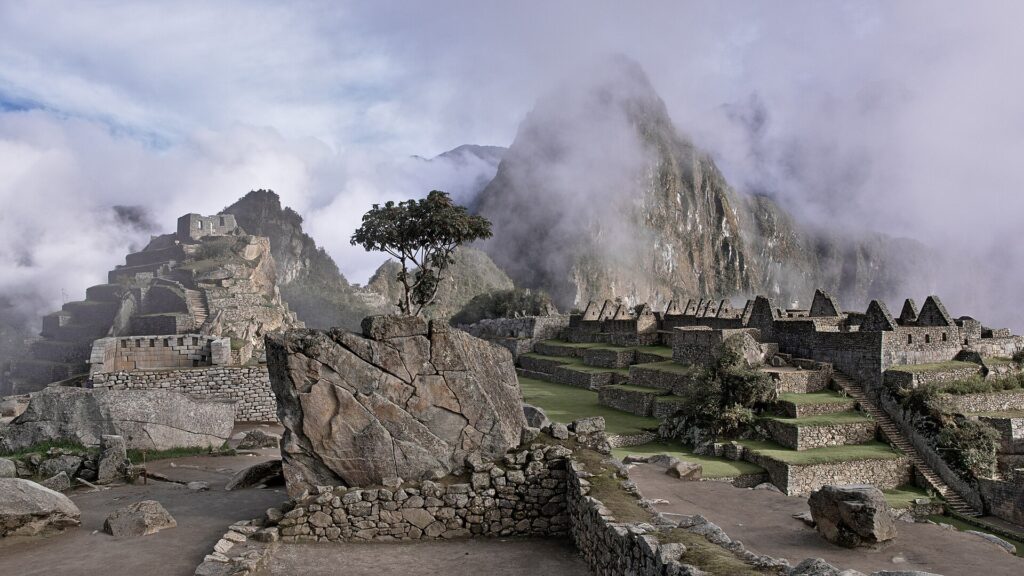

How to get to Machu Picchu
There is no road from Cusco to the citadel. Most visitors take the train to Aguas Calientes (also called Machu Picchu Pueblo), usually from Cusco or Ollantaytambo. From Aguas Calientes, buses climb the zig-zag road to the entrance in about 25 minutes, or you can walk up a steep path in roughly 1 to 1.5 hours. The other way in is on foot, along the multi-day Inca Trail, which needs a permit and a licensed operator.
Plan your train and bus around your entry time, not the other way round. If you have an early slot, stay the night before in Aguas Calientes.
Best time to visit
- May to September is the dry season, with the clearest views but the biggest crowds. This is when the higher daily limit applies.
- November to March is the rainy season. It is quieter and greener, but cloud can hide the view for hours, and the Inca Trail closes for maintenance every February.
- Early-morning slots often start in mist that burns off later. Afternoon slots can be clearer and quieter once day-trippers leave.
Machu Picchu FAQ
How far ahead should I book?
For June to August, book Huayna Picchu and the Mountain routes several weeks to a few months ahead. Standard circuits are easier to get, but popular dates still sell out.
Can I change my circuit after booking?
No. You can’t switch circuits at the gate. If you picked the wrong one, the practical fix is to buy another ticket for the route you want.
How long can I stay inside?
Each route is designed as a one-way walk with a time limit, which is longer for mountain routes. Check the time on your ticket. You can’t stay all day on a standard ticket.
Is Machu Picchu worth it with the new rules?
Yes. The circuits mean less freedom to wander, but the site is calmer and better protected. Choose your route carefully and the experience is still one of the great sights in the world.
Sources
- Andina: 2026 ticket rates and visitor limits (Ministerial Resolutions 000284-2025-MC and 000285-2025-MC)
- Infobae: 2026 official tariffs by circuit and route
- Primicias: Machu Picchu price increase from May 2026
- HowToPeru: entry rules, bags and prohibited items
- Official ticket site: tuboleto.cultura.pe